
How briskly is the velocity of sound mph? This elementary query dives into the fascinating world of sonic phenomena, revealing how sound travels by varied mediums and the components influencing its velocity. Understanding this velocity is essential for all the things from designing environment friendly plane to appreciating the awe-inspiring nature of thunder. Let’s discover the intricacies of sonic velocity.
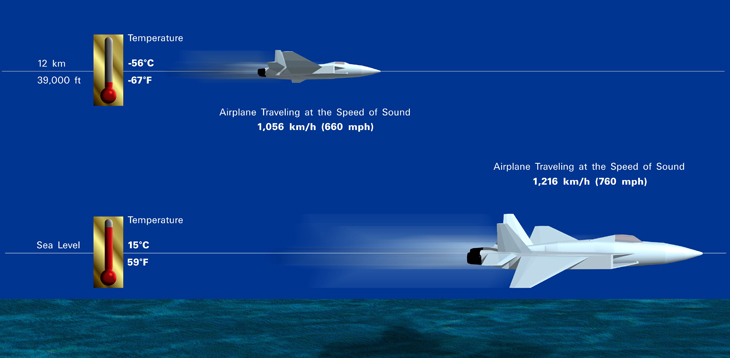
The velocity of sound is not a static quantity; it varies primarily based on the medium it travels by. Air, for instance, has a selected velocity of sound at a given temperature and stress. As you progress to totally different environments, from the dense environment at sea stage to the skinny air at excessive altitudes, the velocity of sound adjusts accordingly.
Understanding these variables offers a deeper perception into the dynamics of sound propagation. This, in flip, will help scientists and engineers design more practical and environment friendly programs, starting from the intricate workings of supersonic jets to the refined complexities of acoustic engineering.
Sound, a elementary side of our each day lives, travels at an interesting velocity. Understanding this velocity is essential in varied fields, from climate forecasting to army functions. This text delves into the intricacies of sound’s velocity, exploring components that affect it and presenting sensible examples of its affect.
Understanding the velocity of sound, roughly 767 mph, reveals its prominence in varied contexts. This idea typically overlaps with the thought of one thing being “entrance and middle,” front and center meaning implying a vital and distinguished place. Finally, the velocity of sound stays a vital consider quite a few scientific and sensible functions, emphasizing its significance.
What’s the Velocity of Sound?
The velocity of sound is the speed at which sound waves propagate by a medium. Crucially, this velocity is not fixed; it varies considerably primarily based on the medium itself, equivalent to air, water, or solids.
Elements Affecting Sound Velocity
A number of key components affect how rapidly sound travels:
- Temperature: Hotter mediums typically transmit sound sooner. It is because the elevated kinetic power of the molecules permits for faster vibrations and power switch.
- Medium Density: Denser mediums, like water or metal, are inclined to have larger sound speeds in comparison with much less dense ones, like air. It is because the particles in a denser medium are nearer collectively, facilitating sooner power transmission.
- Stress: Adjustments in stress may barely alter sound velocity, although the impact is usually much less pronounced than temperature or density adjustments.
The Velocity of Sound in Air (MPH)
In dry air at 20°C (68°F), the velocity of sound is roughly 767 miles per hour (mph). This worth is commonly cited as the usual reference level. Nonetheless, it is vital to keep in mind that that is simply a place to begin, as real-world circumstances typically deviate from these supreme circumstances.
Sound travels remarkably quick, roughly 767 mph. Understanding the nuances of on-line slang, like what “yk” means, may be simply as vital as figuring out the velocity of sound. A vital consider figuring out how rapidly info spreads, whether or not it is a bodily phenomenon or on-line developments, is knowing the velocity of sound mph. what does yk mean This understanding permits us to investigate how briskly developments transfer by varied platforms and the way rapidly information may be transmitted.
Calculating Sound Velocity: How Quick Is The Velocity Of Sound Mph
The exact velocity of sound may be calculated utilizing a system that includes the properties of the medium. This system takes under consideration the particular warmth ratio and the gasoline fixed, which describe how the medium responds to temperature adjustments.
Sensible Purposes
Understanding the velocity of sound has profound implications in varied fields:
- Climate Forecasting: Sound travels at a predictable velocity, making it helpful in figuring out the gap and depth of storms.
- Army Purposes: Correct information of sound velocity is crucial for tactical selections in warfare.
- Sonic Booms: Objects touring sooner than the velocity of sound create a sonic increase, a shockwave that causes a loud bang.
Velocity of Sound in Totally different Media
The velocity of sound varies considerably in several mediums. Water, for example, transmits sound a lot sooner than air. Equally, the velocity of sound in solids like metal is considerably larger than in air or water. This distinction in transmission velocity is vital in varied functions.
[Image: Table comparing sound speeds in air, water, and steel at 20°C]
Sound travels surprisingly quick, round 767 mph at sea stage. Delving into associated linguistic ideas, contemplate six-letter phrases starting with “o,” like “object” or “receive.” This exploration, whereas seemingly disparate, highlights the interconnectedness of seemingly distinct fields. Understanding the velocity of sound, finally, offers an interesting window into the bodily world. six letter words that start with o Realizing this velocity is essential for a lot of functions, from climate forecasting to army operations.
Variations in Velocity of Sound
A number of components, together with temperature, humidity, and elevation, affect the velocity of sound in air. As an illustration, humidity typically will increase the velocity barely, as moisture provides a level of elasticity to the medium.
Sound travels remarkably quick, roughly 767 mph. Understanding conversions like ounces in a half pint, as detailed on this useful resource oz in half pint , may be surprisingly helpful in calculating the velocity of sound in varied contexts. The exact velocity of sound, nonetheless, is determined by components like temperature and medium, making it an interesting topic to discover additional.
Velocity of Sound in Relation to Different Phenomena
The velocity of sound has an interesting relationship to different bodily phenomena, such because the Doppler impact, which describes how the perceived frequency of a sound adjustments relying on the relative movement between the supply and the listener.

Conclusion
The velocity of sound is a elementary side of our world, impacting all the things from climate patterns to army methods. Understanding its variations in several mediums and below various circumstances is essential for a variety of functions. Additional analysis into this space guarantees much more insights and functions.
The velocity of sound, a elementary idea in physics, travels at roughly 767 miles per hour. Whereas pondering the velocity of sound, it is fascinating to contemplate a creature like a woodchuck. This picture of a woodchuck offers a visible illustration of a typical North American groundhog, and understanding these particulars permits us to delve deeper into the intricacies of the atmosphere round us.
The velocity of sound in several mediums, like air, remains to be a key side to discover, additional enriching our understanding of the world round us.
[See also: Understanding the Doppler Effect]
Occupied with studying extra about acoustics and sound waves? Discover different articles on our web site to deepen your understanding.
Share this text on social media and tell us your ideas within the feedback under!
In conclusion, the velocity of sound, measured in mph, is a dynamic idea influenced by the properties of the transmitting medium. From the thunderous crack of lightning to the quiet hum of a distant airplane, understanding this elementary precept presents a deeper appreciation for the intricate interaction of sound and atmosphere. This information has far-reaching implications throughout various fields, from meteorology to aerospace engineering.
Hopefully, this exploration has ignited your curiosity concerning the fascinating world of sound and its velocity.
Steadily Requested Questions
What’s the approximate velocity of sound in dry air at 20°C?
Round 767 mph.
Does the velocity of sound differ with altitude?
Sure, the velocity of sound decreases with rising altitude because of the reducing density of the air.
How does temperature have an effect on the velocity of sound?
Sound travels sooner in hotter air than in cooler air. It is because hotter air molecules have extra kinetic power, permitting them to transmit sound vibrations extra quickly.
What’s the significance of the velocity of sound in aviation?
Understanding the velocity of sound is vital in aviation, particularly for designing and working supersonic plane. It determines the boundaries of plane velocity and the aerodynamic challenges related to exceeding the velocity of sound.
