
How do you say thanks lots in French? This complete information delves into the nuances of expressing gratitude within the French language, from formal to casual expressions, and explores contextual variations to make sure your thanks are completely conveyed. We’ll cowl all the things from expressing honest appreciation to thanking somebody for his or her effort and time, guaranteeing your communication is each applicable and impactful.
Navigating the world of French expressions for gratitude can really feel like deciphering a posh code. This information supplies a transparent and concise breakdown of formal and casual methods to say “thanks very a lot” in French, full with examples, context, and sensible purposes. Understanding the subtleties of those expressions will elevate your French communication and show your cultural sensitivity.
Formal Expressions for “Thank You Very A lot” in French

Navigating the nuances of formal language in French, particularly when expressing gratitude, is essential for efficient communication in skilled and tutorial settings. Understanding the suitable stage of ritual ensures respect and conveys a optimistic picture. This dialogue Artikels numerous formal expressions for “thanks very a lot” in French, categorized by their stage of ritual, and highlights their context-specific utilization.
Expressing gratitude in French is simple; “Merci beaucoup” is a typical and well mannered strategy to say “thanks very a lot.” Whereas exploring marine life, you would possibly end up questioning in regards to the collective noun for jellyfish. Figuring out {that a} group of jellyfish is known as a “swarm,” or generally a “bloom,” helps broaden your understanding of French phrases and their various purposes.
In the end, “Merci beaucoup” stays a strong strategy to present appreciation.
Categorization of Formal Expressions, How do you say thanks lots in french
Formal expressions for gratitude in French are categorized primarily based on their diploma of ritual. This differentiation permits for exact communication tailor-made to the particular context. The selection of expression displays the connection between the speaker and the recipient.
Formal Expressions and Their Nuances
The next checklist particulars formal French expressions for “thanks very a lot,” categorized by their stage of ritual. Every expression carries delicate nuances in that means and utilization, affecting the general affect of the message.
- Merci beaucoup: It is a broadly used and versatile expression. It is appropriate for many formal conditions, together with thanking a professor, a colleague, or a supervisor. It is a protected guess within the majority of formal contexts.
- Je vous remercie infiniment: This phrase conveys deep gratitude and is acceptable for conditions requiring a stronger expression of thanks. Its use implies a major debt of gratitude, appropriate when the recipient has made a considerable effort. For instance, this could be used when thanking a professor for an exceptionally useful rationalization.
- Je vous suis infiniment reconnaissant(e): It is a extra profound expression, suggesting a deep sense of indebtedness. It implies a major contribution and a heartfelt appreciation. That is appropriate for formal settings the place the act of kindness is monumental.
- Veuillez agréer mes sincères remerciements: It is a extra elaborate and formal expression, typically utilized in written communication or official contexts. It emphasizes the sincerity of the gratitude and is appropriate for formal letters, emails, or studies.
Comparability Desk of Formal Expressions
| Expression | Stage of Formality | Nuances | Context Examples | When to Use |
|---|---|---|---|---|
| Merci beaucoup | Average | Commonplace expression of gratitude | Thanking a colleague for assist, a professor for a lecture. | On a regular basis formal interactions. |
| Je vous remercie infiniment | Excessive | Expresses deep gratitude | Thanking a superior for a major alternative, a mentor for steering. | Conditions demanding a robust expression of thanks. |
| Je vous suis infiniment reconnaissant(e) | Very Excessive | Expresses deep indebtedness | Thanking a benefactor for a considerable reward, a committee for his or her consideration. | Distinctive conditions the place an ideal debt is felt. |
| Veuillez agréer mes sincères remerciements | Highest | Formal and written, emphasizes sincerity | Formal letters, emails, studies, expressing thanks for companies rendered. | Official or formal written communications. |
Casual Expressions
Understanding the nuances of casual French expressions for “thanks very a lot” is essential for efficient communication. These expressions, typically utilized in on a regular basis conversations, convey a variety of tones and ranges of gratitude. Navigating these delicate variations is essential to constructing rapport and demonstrating cultural sensitivity.Casual expressions present a strategy to join with others on a extra private stage.
They’re particularly vital in conditions the place formality would really feel misplaced, corresponding to amongst pals, household, or shut colleagues. Figuring out when to make use of these expressions can considerably improve your communication and construct stronger relationships.
Expressing gratitude in French is simple; “Merci beaucoup” is a typical and well mannered strategy to say “thanks very a lot.” Whereas exploring marine life, you would possibly end up questioning in regards to the collective noun for jellyfish. Figuring out {that a} group of jellyfish is known as a “swarm,” or generally a “bloom,” helps broaden your understanding of French phrases and their various purposes.
In the end, “Merci beaucoup” stays a strong strategy to present appreciation.
Categorization of Casual Expressions
Completely different levels of informality exist in French, influencing the suitable expression to make use of. Understanding this gradation is important for avoiding misinterpretations. This part categorizes these expressions to assist in contextual understanding.
Ranges of Informality
- Informal: These expressions are utilized in very relaxed settings with shut pals or household. They’re characterised by a conversational and acquainted tone.
- Pleasant: These expressions keep a level of heat and friendliness whereas permitting for a extra private contact. They’re appropriate for interactions with acquaintances or friends in a relaxed atmosphere.
- Intimate: Reserved for shut family and friends, these expressions are extremely private and replicate a robust bond of belief. Their utilization is very contextual and relies on the connection with the recipient.
Examples of Casual Expressions
| Stage of Informality | Expression | Instance Utilization |
|---|---|---|
| Informal | Merci beaucoup (or Merci bien) | “Hey, thanks lots for the assistance!” |
| Informal | T’inquiète pas (actually “don’t be concerned”) | “Thanks for serving to me transfer, you need not fear about it.” |
| Informal | Génial! (or Tremendous!) | “Thanks for the superb reward, it is tremendous!” |
| Pleasant | Merci infiniment | “Thanks one million on your help.” |
| Pleasant | Ça me fait plaisir (actually “it makes me pleased”) | “Thanks for the good phrases, it actually made my day.” |
| Intimate | Gros bisous (actually “large kisses”) | “Thanks a lot, love you!” |
| Intimate | Merci, mon cœur (actually “thanks, my coronary heart”) | “Thanks for being there for me, my pricey.” |
Contextual Utilization
The selection of casual expression closely depends on the connection between the speaker and the recipient. An informal expression could be completely acceptable between shut pals, however inappropriate in knowledgeable setting. Conversely, a extra formal expression would possibly really feel stiff and unnatural amongst shut members of the family. Understanding these nuances is essential to efficient communication.
Expressing gratitude in French is simple; “Merci beaucoup” is a typical and well mannered strategy to say “thanks very a lot.” Whereas exploring marine life, you would possibly end up questioning in regards to the collective noun for jellyfish. Figuring out {that a} group of jellyfish is known as a “swarm,” or generally a “bloom,” helps broaden your understanding of French phrases and their various purposes.
In the end, “Merci beaucoup” stays a strong strategy to present appreciation.
Contextual Variations
Past the fundamental “merci,” French gives a nuanced vocabulary for expressing gratitude, reflecting the depth of social interactions and cultural expectations. Understanding these variations is essential for navigating conversations easily and demonstrating real appreciation. Mastering these nuances lets you tailor your expressions to particular conditions, fostering stronger connections and demonstrating cultural sensitivity.
Expressing gratitude in French is simple; “Merci beaucoup” is a typical and well mannered strategy to say “thanks very a lot.” Whereas exploring marine life, you would possibly end up questioning in regards to the collective noun for jellyfish. Figuring out {that a} group of jellyfish is known as a “swarm,” or generally a “bloom,” helps broaden your understanding of French phrases and their various purposes.
In the end, “Merci beaucoup” stays a strong strategy to present appreciation.
Conditions Requiring Extra Than “Merci”
A easy “merci” would possibly fall brief in conditions demanding stronger expressions of gratitude. Contemplate these situations: A heartfelt thanks for a major favor, expressing appreciation for a considerate reward, or expressing profound gratitude for life-altering help.
Expressing Sturdy Gratitude
For conditions demanding a extra emphatic expression of gratitude, French supplies a number of choices. These vary from expressing honest because of conveying appreciation for a major reward or gesture.
Expressing gratitude in French is simple; “Merci beaucoup” is a typical and well mannered strategy to say “thanks very a lot.” Whereas exploring marine life, you would possibly end up questioning in regards to the collective noun for jellyfish. Figuring out {that a} group of jellyfish is known as a “swarm,” or generally a “bloom,” helps broaden your understanding of French phrases and their various purposes.
In the end, “Merci beaucoup” stays a strong strategy to present appreciation.
Ranges of Gratitude in French
| Stage of Gratitude | Phrase | Instance Sentence |
|---|---|---|
| Primary Thanks | Merci | Merci beaucoup. |
| Sturdy Thanks | Merci infiniment | Merci infiniment pour votre aide. |
| Deep Gratitude | Je vous suis très reconnaissant(e) | Je vous suis très reconnaissant(e) pour votre générosité. |
| Expressing Thankfulness for a Reward | Merci beaucoup pour ce cadeau magnifique. | This instance reveals appreciation for a ravishing reward. |
Expressing Gratitude for Particular Actions
The suitable expression relies upon closely on the character of the help or act of kindness. This part Artikels how you can convey appreciation for several types of help.
- For Assist or Assist: “Merci pour votre aide précieuse” (Thanks on your priceless assist) or “Je vous suis reconnaissant(e) pour votre soutien” (I’m grateful on your help) conveys appreciation for sensible help.
- For Recommendation: “Merci pour vos conseils avisés” (Thanks on your sound recommendation) or “Vos conseils m’ont été d’une grande aide” (Your recommendation has been of nice assist to me) demonstrates gratitude for steering.
- For Considerate Gestures: “Merci pour ce geste si gentil” (Thanks for such a sort gesture) or “C’était vraiment gentil de votre half” (That was actually type of you) highlights the thoughtfulness behind the motion.
Appreciating Time and Effort
Acknowledging the effort and time invested in a process is essential. The next phrases convey this appreciation.
- “Merci pour votre temps.” (Thanks on your time)
- “Je vous remercie pour vos efforts.” (I thanks on your efforts)
- “Votre aide a été très précieuse.” (Your assist has been very priceless.)
- “Merci pour tout le travail que vous avez fourni.” (Thanks for all of the work you’ve gotten performed.)
Closing Abstract: How Do You Say Thanks A Lot In French
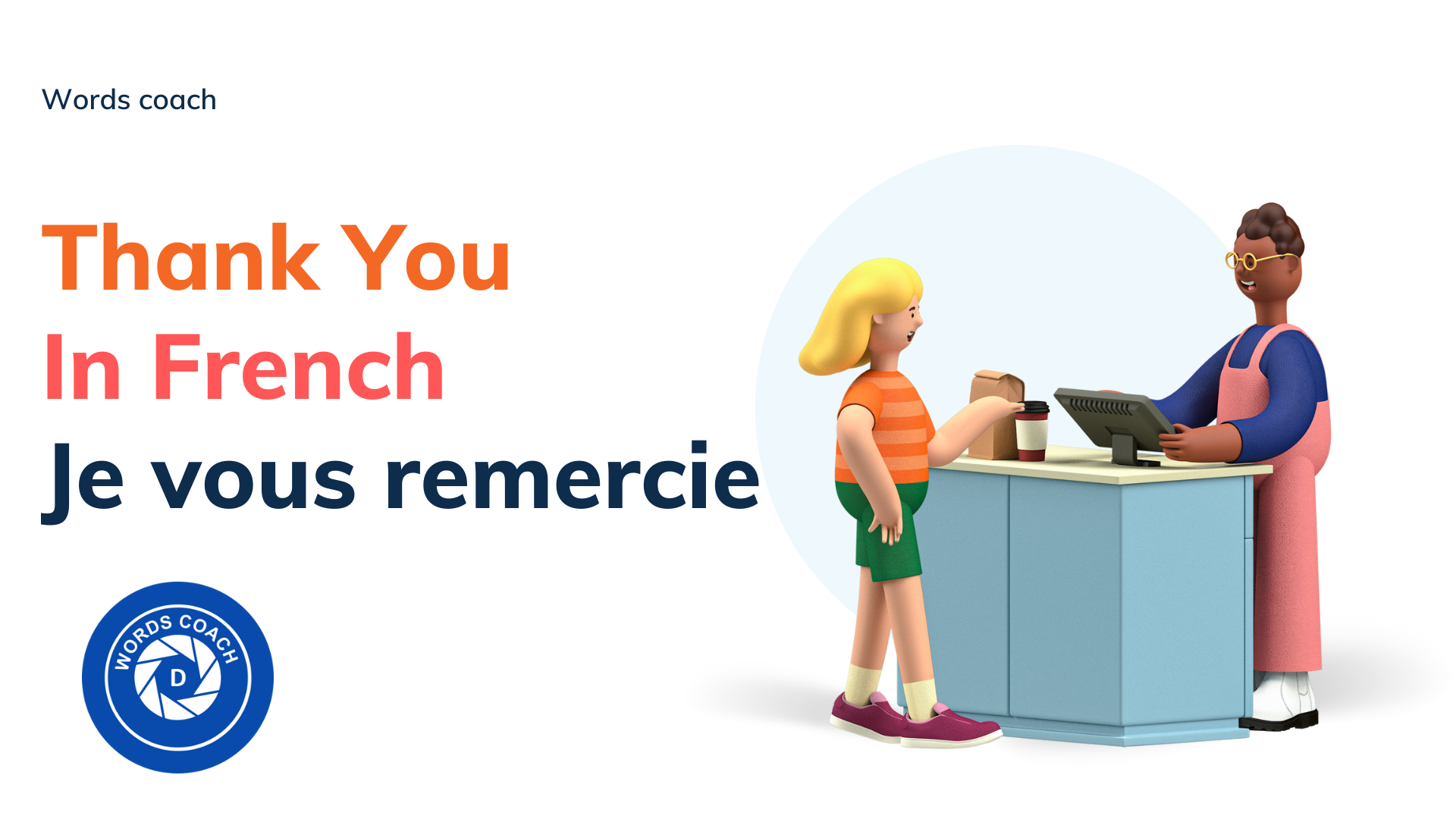
In conclusion, expressing gratitude in French goes past a easy “merci.” This information has explored the varied methods to precise thanks, from formal acknowledgements to heartfelt expressions of appreciation. By understanding the nuances of formal and casual language, in addition to contextual variations, you may be outfitted to precise your gratitude successfully in any scenario. Keep in mind to contemplate the connection with the recipient and the particular context for probably the most applicable expression.
Detailed FAQs
How do you say “thanks very a lot” in a proper setting?
Formal expressions embrace “Merci beaucoup,” “Je vous remercie beaucoup,” and “Grand merci.” The selection relies on the extent of ritual and the recipient.
What are some casual methods to say “thanks very a lot”?
Casual choices embrace “Merci infiniment,” “Merci de tout cœur,” and “Merci beaucoup.” The extent of informality relies on your relationship with the recipient.
How do I specific honest gratitude in French?
Use phrases like “Je suis très reconnaissant(e) de…” or “Je vous suis très reconnaissant(e) de…” to convey profound appreciation.
What are some phrases to precise appreciation for somebody’s effort and time?
“Merci pour votre temps” and “Merci pour votre aide” are good choices for expressing gratitude for effort and time.
