
Metropolis state in a sentence – Metropolis-states in a sentence: From historical Athens to trendy Singapore, these impartial city facilities have formed historical past, economics, and concrete planning. This exploration delves into their defining traits, analyzing their rise and fall, and contemplating their enduring relevance within the twenty first century. Understanding their evolution supplies helpful insights into the complexities of political group and concrete growth.
Uncover the important thing options, historic context, and notable examples that illustrate the dynamism of city-states.
Metropolis-states, typically characterised by their impartial political constructions, thrived as hubs of commerce, tradition, and innovation. Their distinctive mixture of localized governance and world engagement formed the course of civilizations. This deep dive into their historical past and continued affect on trendy society will illuminate the varied methods these city-states have tailored and thrived.
Defining Metropolis-States
A city-state, a traditionally important type of political group, represents a novel mix of city growth and impartial governance. Its compact nature allowed for intense civic engagement and a extremely localized political construction, profoundly impacting the course of historical past. Understanding city-states necessitates exploring their defining traits, historic evolution, and political programs, differentiating them from different types of governance.Metropolis-states flourished in numerous areas and intervals, demonstrating outstanding adaptability and resilience.
Metropolis-states, traditionally essential to regional energy dynamics, typically boasted vibrant economies and distinctive cultural identities. Understanding the previous tense of “glow,” as in the best way a city-state may need shone in its prime, is essential to greedy the historic context. Finally, the evolution of those city-states reveals a fancy tapestry of human ingenuity and resilience.
Their success hinged on components reminiscent of favorable geography, sturdy management, and sturdy commerce networks. Nevertheless, they have been additionally inclined to inner strife, exterior pressures, and in the end, consolidation into bigger political entities.
Key Traits of Metropolis-States
Metropolis-states are characterised by their impartial political standing and their focus of inhabitants and governance inside a single city middle. Their small dimension and excessive inhabitants density fostered a way of communal identification and civic accountability. This close-knit setting facilitated direct citizen participation in governance, which frequently differed considerably from the hierarchical constructions of empires or kingdoms. The impartial nature of city-states, whereas fostering innovation and cultural growth, additionally made them susceptible to conflicts with their neighbors.
Historic Context of Metropolis-States
Metropolis-states emerged in quite a few historic intervals and geographic places. The traditional Greek city-states, like Athens and Sparta, exemplified a novel type of self-governance. Their rise coincided with the event of superior agricultural practices and commerce, which enabled inhabitants focus and the institution of impartial political entities. Equally, the Italian city-states of the Renaissance interval showcased a outstanding flowering of artwork, tradition, and political innovation.
The historic decline of city-states typically occurred via conquest or absorption into bigger empires. This transition from impartial city-states to bigger empires formed the course of civilization, impacting commerce routes, cultural trade, and political programs.
Political Constructions of Metropolis-States
The political constructions of city-states assorted considerably relying on their particular context. Many have been characterised by direct democracy, the place residents instantly participated in decision-making. Others developed complicated programs of governance, together with elected officers and councils, reflecting the rising complexity of their societies. The independence of city-states was typically fiercely guarded, leading to quite a few conflicts with neighboring city-states and bigger powers.
The need for autonomy was a driving drive within the political panorama of the city-states, shaping their alliances and conflicts.
Comparability with Different Political Entities
Metropolis-states differ considerably from empires or kingdoms of their scale and construction. Empires, encompassing huge territories and various populations, sometimes depend on centralized authority and hierarchical constructions. Kingdoms, typically constructed on hereditary succession and territorial claims, characteristic a extra structured political hierarchy than city-states. The comparatively small dimension and localized management of city-states contrasted sharply with the expansive attain of empires and kingdoms.
Metropolis-states, traditionally essential to regional energy dynamics, typically boasted vibrant economies and distinctive cultural identities. Understanding the previous tense of “glow,” as in the best way a city-state may need shone in its prime, is essential to greedy the historic context. Finally, the evolution of those city-states reveals a fancy tapestry of human ingenuity and resilience.
The independence and relative autonomy of city-states allowed for experimentation with governance fashions, in contrast to the often-rigid constructions of bigger political entities.
Examples of Metropolis-States
| Metropolis-State Identify | Location | Key Options | Political System |
|---|---|---|---|
| Athens | Historical Greece | Heart of democracy, philosophy, and artwork | Direct democracy |
| Sparta | Historical Greece | Army-focused society | Oligarchy |
| Venice | Italy | Maritime energy, buying and selling hub | Oligarchy |
| Florence | Italy | Heart of Renaissance artwork and tradition | Republic |
| Siracusa | Sicily | Vital buying and selling middle | Democracy, then oligarchy |
Examples of Metropolis-States
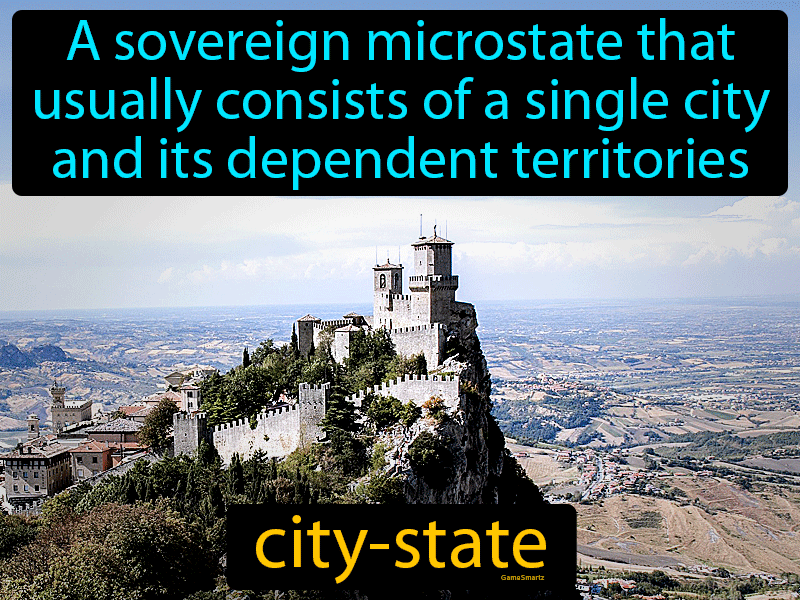
Metropolis-states, impartial city facilities with surrounding territories, performed a pivotal function in shaping civilizations throughout historical past. Their distinctive political constructions, financial programs, and cultural practices provide helpful insights into the evolution of human societies. From the bustling marketplaces of historical Greece to the subtle commerce networks of the Italian Renaissance, city-states thrived on their very own deserves, typically serving as fashions for innovation and governance.
Distinguished Examples of Metropolis-States
The historic report reveals a number of outstanding city-states, every with distinctive options and legacies. Their growth and eventual fates provide compelling case research for understanding the forces that formed historical and medieval societies.
Metropolis-states, traditionally essential to regional energy dynamics, typically boasted vibrant economies and distinctive cultural identities. Understanding the previous tense of “glow,” as in the best way a city-state may need shone in its prime, is essential to greedy the historic context. Finally, the evolution of those city-states reveals a fancy tapestry of human ingenuity and resilience.
Athens (Greece)
Athens, a cornerstone of historical Greek civilization, exemplified a democratic mannequin of governance. Its vibrant mental and inventive life, fostered by famend philosophers like Socrates and Plato, left a permanent mark on Western thought. The Athenian financial system relied closely on commerce, notably with different city-states and the broader Mediterranean world. Athenian residents performed an energetic function in political affairs, a apply that profoundly influenced later democratic programs.
Sparta (Greece)
Sparta, a robust army city-state, differed considerably from Athens in its social and political construction. Sparta emphasised army prowess and self-discipline above all else, making a rigidly hierarchical society. The Spartan financial system, whereas much less diversified than Athens’, was sustained by agricultural manufacturing and the contributions of its conquered territories. Sparta’s army power made it a dominant drive within the Peloponnesian League, shaping the geopolitical panorama of historical Greece.
Venice (Italy)
Venice, a maritime republic within the Italian Renaissance, thrived on its strategic location and spectacular naval energy. Its maritime commerce routes linked it to distant lands, bringing wealth and prosperity. Venice’s refined banking system and mercantile practices facilitated commerce and finance, making it a number one energy within the Mediterranean. The town’s distinctive social construction, based mostly on service provider guilds, propelled its financial progress.
Florence (Italy)
Florence, one other outstanding Italian city-state in the course of the Renaissance, turned a middle of inventive and mental innovation. Well-known artists like Michelangelo and Leonardo da Vinci flourished on this vibrant cultural setting. Florence’s financial system was pushed by banking, textile manufacturing, and commerce. Its political panorama was complicated, with highly effective households just like the Medici vying for affect.
Metropolis-states, traditionally essential to regional energy dynamics, typically boasted vibrant economies and distinctive cultural identities. Understanding the previous tense of “glow,” as in the best way a city-state may need shone in its prime, is essential to greedy the historic context. Finally, the evolution of those city-states reveals a fancy tapestry of human ingenuity and resilience.
Carthage (North Africa), Metropolis state in a sentence
Carthage, a Phoenician city-state positioned in modern-day Tunisia, was a significant maritime energy within the Mediterranean in the course of the classical interval. Its refined maritime commerce community linked it to all the Mediterranean basin. Carthage’s financial system thrived on commerce, shipbuilding, and agriculture. Carthage’s army prowess and strategic alliances made it a formidable rival to Rome, culminating within the Punic Wars.
Categorized Listing of Metropolis-States
This desk organizes outstanding city-states by area and period, showcasing their key options.
Metropolis-states, traditionally essential to regional energy dynamics, typically boasted vibrant economies and distinctive cultural identities. Understanding the previous tense of “glow,” as in the best way a city-state may need shone in its prime, is essential to greedy the historic context. Finally, the evolution of those city-states reveals a fancy tapestry of human ingenuity and resilience.
| Metropolis-State | Area | Time Interval | Notable Leaders | Financial Actions |
|---|---|---|---|---|
| Athens | Greece | Classical Interval | Pericles, Solon | Commerce, agriculture, maritime commerce |
| Sparta | Greece | Classical Interval | Lycurgus | Agriculture, army conquest |
| Venice | Italy | Renaissance | Doge of Venice | Maritime commerce, banking, shipbuilding |
| Florence | Italy | Renaissance | Cosimo de’ Medici | Banking, textiles, commerce |
| Carthage | North Africa | Classical Interval | Hamilcar Barca | Maritime commerce, agriculture, shipbuilding |
Epilogue
In conclusion, city-states, from the traditional world to the current day, have introduced distinctive fashions of city governance. Their rise and fall provide helpful classes in regards to the components driving political and financial success, whereas their lasting impression on city planning and growth continues to resonate. Their historical past serves as a wealthy tapestry of societal evolution, cultural trade, and financial innovation.
As we transfer ahead, understanding the city-state mannequin supplies insights into attainable paths for future city growth and governance.
Incessantly Requested Questions: Metropolis State In A Sentence
What are the frequent traits of a city-state?
Metropolis-states are sometimes impartial city facilities with their very own political programs, distinct from bigger empires or kingdoms. They typically have important autonomy, managing their very own affairs and sustaining a level of self-sufficiency.
How did city-states affect world commerce?
Metropolis-states, typically strategically positioned, steadily acted as important hubs for commerce and commerce. Their impartial nature typically fostered various commerce relationships and spurred financial progress inside their areas.
Are there any trendy examples of city-states?
Whereas the classical mannequin of city-states is much less prevalent right now, up to date examples reminiscent of Singapore, and others provide attention-grabbing case research for contemporary city growth.
How did the political programs of city-states differ from empires?
Metropolis-states sometimes operated beneath localized governance constructions, typically with a give attention to citizen participation and direct democracy, in distinction to the centralized management typically related to empires.
What are some components that contributed to the decline of city-states?
Elements contributing to the decline of city-states assorted, together with conflicts with neighboring powers, inner strife, or shifts in financial energy dynamics.
