
How do you say me too in spanish – How do you say “me too” in Spanish? This is not only a easy translation; it is a gateway to understanding nuanced social interactions. Studying the assorted methods to precise settlement and solidarity opens doorways to deeper cultural connections and extra natural-sounding conversations.
From informal settings to formal conditions, the appropriate expression of “me too” is essential. This information delves into the other ways to say “me too” in Spanish, contemplating context and the specified degree of ritual. We’ll discover the commonest phrases, their delicate variations, and methods to use them successfully.
Navigating totally different languages will be thrilling, however typically a easy phrase like “me too” can appear difficult. Understanding methods to specific settlement and shared experiences is essential in communication. This complete information dives into the assorted methods to say “me too” in Spanish, contemplating totally different contexts and nuances.
Understanding the Context: Key Concerns
Essentially the most simple approach to say “me too” in Spanish will not be at all times your best option. One of the best translation relies upon closely on the encompassing dialog and the particular tone you wish to convey.
Whereas “me too” in Spanish is “también,” understanding the nuances of Spanish slang, notably regarding phrases like “también,” can reveal stunning connections. This usually results in explorations of different fascinating linguistic matters, corresponding to 4 letter b phrases, which will be fairly revealing. 4 letter b words can provide an interesting glimpse into cultural expression.
In the end, although, the commonest approach to specific settlement in Spanish is “también.”
Formal vs. Casual
Identical to in English, Spanish has formal and casual methods of talking. Selecting the best degree of ritual is important for efficient communication.
The Significance of Tone and Context
Take into account the general tone of your dialog. Are you talking with associates, household, or colleagues? This can affect one of the best ways to precise “me too.”
Whereas “me too” in Spanish is available, understanding the nuances of the phrase requires a deeper look. The same, albeit unrelated, idea is the fascinating world of moon crickets, creatures that always chirp within the night time. Studying about these nocturnal bugs, like researching whats a moon cricket , generally is a rewarding expertise. In the end, mastering phrases like “me too” in Spanish can open up new avenues of communication.
Widespread Methods to Say “Me Too” in Spanish
Listed below are a number of methods to precise “me too” in Spanish, categorized by formality and context.
Casual Choices
- También: That is the commonest and versatile approach to say “me too” in casual settings. It is extensively used and simply understood.
- Yo también: Whereas grammatically appropriate, “yo también” (“I additionally”) is barely extra emphatic than merely “también.” Use this once you wish to emphasize your settlement.
- Igual: This interprets to “identical” and can be utilized to precise “me too” in informal conversations.
- Me pasa lo mismo: This interprets to “The identical occurs to me” and is extra acceptable for expressing shared experiences, like “I am feeling the identical approach.”
Formal Choices
- También: Surprisingly, “también” can be utilized in formal settings, though it might sound barely much less formal than some alternate options.
- Yo también: Once more, whereas grammatically appropriate, “yo también” might sound barely extra formal than merely “también.”
- A mí también: This interprets to “To me additionally” and gives a extra formal and barely extra well mannered approach of expressing settlement.
Past the Fundamentals: Nuances and Examples
Understanding the nuances of those phrases lets you talk extra successfully. Let’s discover how these translations match into numerous conversational situations.
Instance 1: Informal Dialog, How do you say me too in spanish
Good friend 1: “This film is absolutely humorous!”
Good friend 2: “También!” (Me too!)
Instance 2: Formal Setting
Colleague 1: “The challenge is progressing nicely.”
Colleague 2: “A mí también.” (Me too.)
Instance 3: Sharing an Expertise
Particular person 1: “I am feeling a bit drained at this time.”
Particular person 2: “Me pasa lo mismo.” (Me too/Identical right here.)
How you can Select the Proper Phrase
Take into account the context and your relationship with the particular person you are chatting with. In most casual settings, “también” is completely acceptable. For extra formal conditions, “A mí también” or “Yo también” can convey a extra respectful tone. Understanding the delicate variations in these expressions lets you navigate social conditions extra confidently.
Extra Ideas for Mastering Spanish
Studying a brand new language takes effort and time. To enhance your Spanish, contemplate these useful suggestions:
- Observe repeatedly with native audio system or language alternate companions.
- Immerse your self within the tradition and language by means of films, music, and books.
- Concentrate on understanding the context and nuances of various phrases.
[See also: Learning Spanish Pronunciation]
[See also: Essential Spanish Phrases for Travel]
[Image: Table comparing frequency of use of different translations for “me too” in Spanish, across various social contexts]
Understanding methods to say “me too” in Spanish is useful for on a regular basis conversations. Whereas exploring related phrases, understanding the nuanced which means behind phrases like “that is what she stated” will be fairly fascinating. This exploration reveals the complexities of conversational language, In the end, understanding methods to say “me too” in Spanish is essential for efficient communication.
By understanding the other ways to say “me too” in Spanish, you may confidently talk your settlement and shared experiences in a wide range of conditions. Keep in mind that context is essential, and selecting the suitable degree of ritual is important for efficient communication.
Whereas “me too” in Spanish is definitely translated as “también,” understanding associated vocabulary is essential. Exploring four-letter phrases that begin with ‘r’, like “actual,” “uncommon,” or “charge” ( 4 letter words that start with r ), can provide a extra nuanced strategy to studying Spanish. In the end, understanding methods to say “me too” is a invaluable first step in any language journey.
Have any questions on methods to say “me too” in Spanish or different features of the language? Share your ideas and questions within the feedback beneath! And remember to share this text along with your language-learning associates.
In conclusion, expressing “me too” in Spanish is greater than only a translation; it is about understanding cultural nuances and communication types. Understanding the totally different choices empowers you to attach with Spanish audio system on a deeper degree and have interaction in additional genuine conversations. Bear in mind the context and your viewers to decide on probably the most acceptable phrase. This information is essential for profitable interactions and deeper cultural immersion.

FAQ Compilation: How Do You Say Me Too In Spanish
What are some frequent methods to say “me too” in Spanish?
Widespread methods embody “también,” “yo también,” and “a mí también.” The selection is determined by the particular context.
When ought to I take advantage of “yo también”?
Whereas “me too” in Spanish is definitely translated as “yo también,” understanding the nuances of language usually reveals stunning connections. For instance, exploring four-letter phrases ending in “z,” like “pizza” or “quiz,” can provide fascinating insights into linguistic patterns. In the end, understanding methods to say “me too” in Spanish is essential for efficient communication. four letter words that end with z Understanding this straightforward phrase opens doorways to deeper understanding.
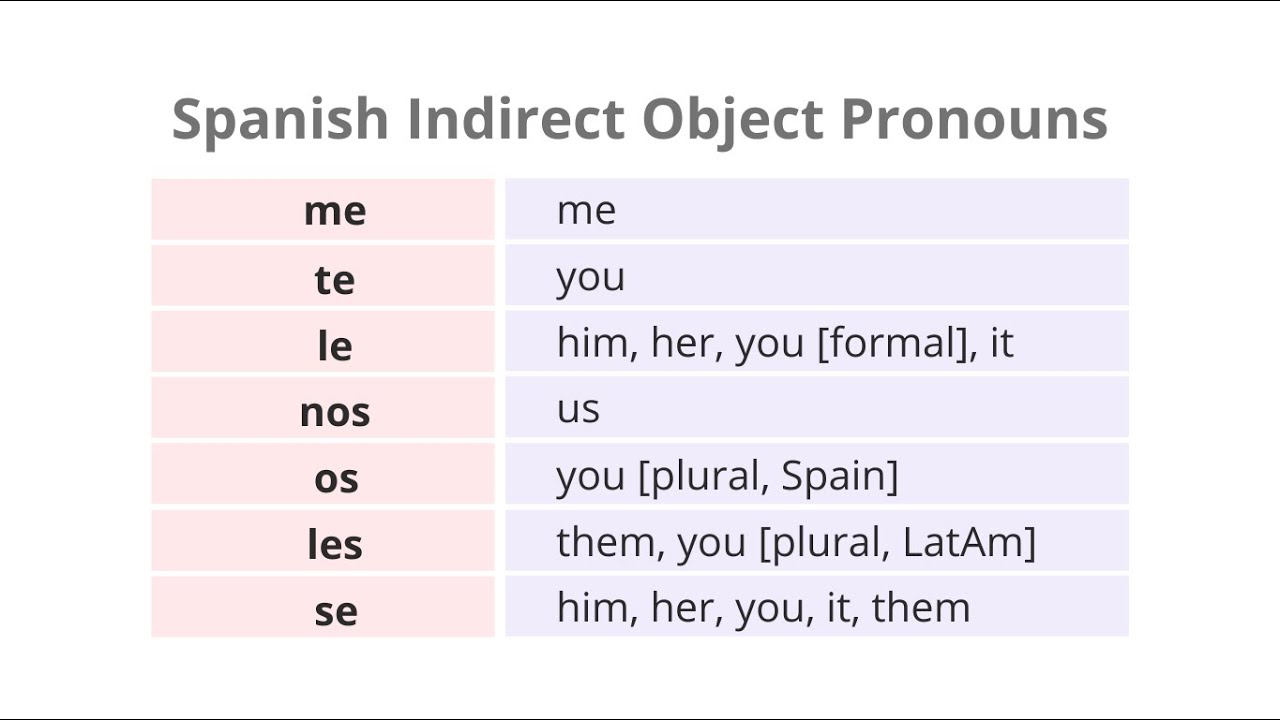
“Yo también” is a flexible choice, appropriate for many conditions and usually thought of well mannered and clear.
Is there a distinction between “también” and “yo también”?
“También” is the extra concise choice, used when the context already clearly signifies the topic is “me.” “Yo también” is most well-liked for added readability, particularly in conditions the place the topic is not instantly apparent.
How do I take advantage of “a mí también” in a dialog?
“A mí también” is a barely much less frequent however nonetheless completely acceptable approach to say “me too,” usually utilized in extra casual or acquainted settings.
